My Story
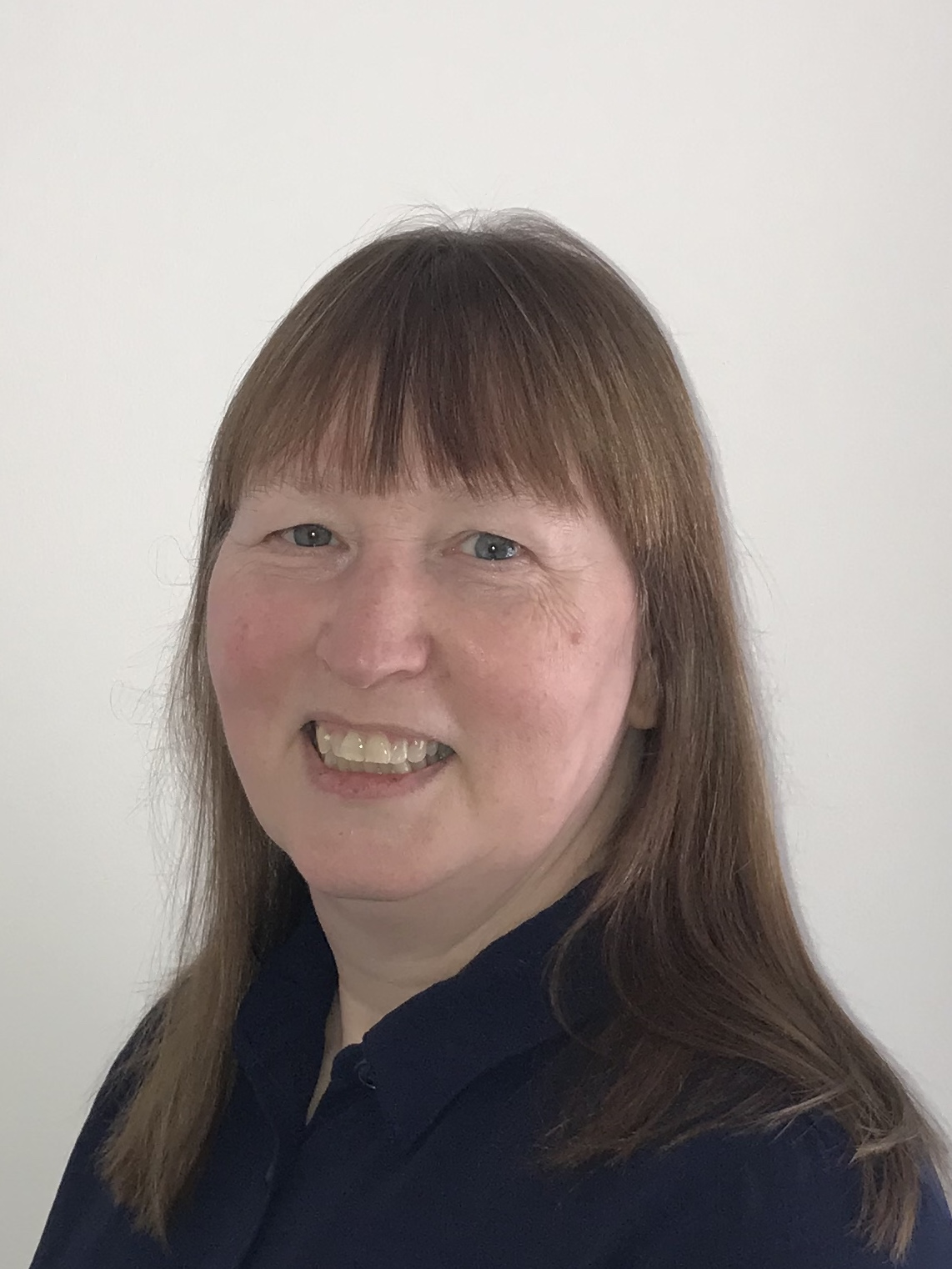
Curiosity has shaped my life for as long as I can remember.
My route into engineering was not straightforward, and neither was the career that followed. I have changed direction more than once, moved between technical and leadership roles, returned to university later in my career and continued learning as technology changed around me.
This is the story of how I found engineering, where it has taken me and why curiosity is still at the heart of what I do.
Finding My Path
As a child, I was happiest with a book, a mathematical problem or simply trying to understand how things worked. Mathematics quickly became my favourite subject. I loved its certainty, its elegance and its logic, and for a long time I imagined becoming a maths teacher.
Then two things happened that changed the direction of my life.
The first was a mathematics teacher who recognised something in me that I hadn't yet recognised in myself. He encouraged me to study physics as well as mathematics – a simple piece of advice that quietly opened the door to engineering.
The second was the arrival of computers at school.
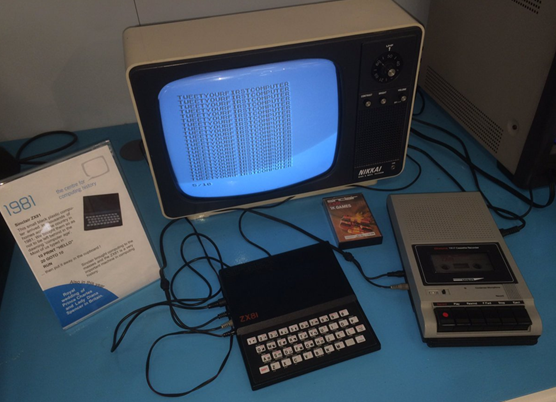
Programming fascinated me. Here was a world where logic became something you could build with. For my eighteenth birthday I asked for a Sinclair ZX81, and hours disappeared as I discovered what computers could do.
Still unsure what career to pursue, I asked a careers adviser a simple question:
“What can I do with a computer?”
He looked through a careers guide before giving me two options.
“You could become a computer programmer, writing software.”
“Or you could become a computer engineer, programming and building computers.”
The second option sounded far more interesting.
Without realising it, I had just made the first of many decisions that would shape my career.
I enrolled at Heriot-Watt University to study Computer Engineering, convinced I had found the right course. However, the first year wasn't what I expected. Much of the curriculum focused on subjects such as power engineering, mechanical engineering and chemistry, and although I enjoyed many aspects of engineering, I struggled to find where I belonged.
Towards the end of the year, everything changed.
For the first time I encountered digital logic, Boolean algebra and logic gates. It was one of those rare moments when something simply felt right.
“Logic gates just sang to me.”
Suddenly I knew I had found the area of engineering that truly excited me.
Although I had passed most of my subjects, I had failed two, and I realised something equally important. It wasn't that engineering wasn't for me – I simply wasn't ready for university, and perhaps more importantly, I hadn't found the right environment in which to learn.
The following day I contacted Napier College. Their Higher National Diploma in Electrical and Electronic Engineering had already started, but there was still one place available.
I took it.
The difference was immediate.
The smaller classes, lecturers with extensive industrial experience and, most importantly, the nine months of industrial placement transformed the way I learned. Engineering was no longer something I studied; it was something I experienced. The combination of academic learning and practical application suited me perfectly, and I graduated with a distinction.

Looking back, Napier didn't just teach me engineering – it helped me discover how I learn best.
More importantly, it taught me that finding the right path isn't always about getting it right first time. Sometimes it's about recognising when to change direction. It also confirmed something that has stayed with me throughout my career: I learn best by solving real problems, working alongside experienced engineers and never stopping being curious.
Forty years later, this is still true.
An Engineering Career I Never Planned
When I started my first engineering job in 1985, I couldn't have imagined where it would lead.
I began by writing software for automated test equipment and microprocessors before moving into digital hardware design. In 1990 I designed with my first FPGA, beginning an area of engineering that would remain at the heart of my career for the next 35 years.
Since then, I have worked as a design engineer, researcher, technical specialist and engineering leader. I returned to university later in my career to complete an Engineering Doctorate (EngD), introduced new technologies, led increasingly large engineering teams and eventually became responsible for an electronics function of around 300 engineers.
There was never a grand career plan. Opportunities appeared, technology changed and I kept learning. Sometimes I deliberately changed direction; at other times I simply said yes to something that looked interesting.
In 2022, I made another of those changes. I left a large engineering organisation and joined Celestia UK, a small and growing company working in satellite communications. It brought me back closer to a fast-moving engineering environment and gave me another new technology to learn.
The technology has changed enormously since I started. The curiosity that drew me to engineering hasn't.
Beyond Engineering
Something else happened as my career developed. Engineering stopped being only about the technology.
I became increasingly interested in the people around it.
I started volunteering with engineering organisations, supporting students and young engineers, mentoring people through professional registration and encouraging more women and girls to consider engineering careers. What began as something I did alongside my job gradually became an important part of my life.
Some of the things I am proudest of started simply because I thought something ought to exist.
I founded the Women's Engineering Society Female Student Conference in 2009, creating an event where female engineering students could meet one another, hear from engineers and build networks before entering the profession. In 2014, I started Girls into Engineering, bringing primary-school girls into an engineering workplace to experience practical engineering activities for themselves.
Mentoring has become particularly important to me. I enjoy helping people recognise what they have achieved, build confidence in their own abilities and take the next step in their careers. Seeing someone I have supported achieve professional registration, Fellowship or progress into a leadership role can be every bit as satisfying as seeing an engineering design work for the first time.
Volunteering has also taken me into places I could never have predicted when I asked that careers adviser what I could do with a computer. It has given me opportunities to work with universities, professional engineering institutions, schools and engineering organisations, to speak to audiences around the world and to contribute to the profession beyond my day job.
What I've Learned
Looking back, the most obvious thing about my career is that very little of it could have been planned.
I didn't take the straightforward route into engineering. I changed direction when university wasn't working for me. I moved from software into hardware, became an FPGA engineer as the technology itself was emerging, returned to university later in my career, moved between technical and leadership roles and eventually left a large organisation for a start-up.
Along the way I also discovered that being an engineer could mean much more than designing electronics.
Curiosity has taken me a long way since that first Sinclair ZX81.
I'm still curious.
Explore
Engineering – Four decades of digital engineering, FPGA technology and technical leadership.
Volunteer – Mentoring, outreach and supporting the engineering profession.
Speaker – Talks, lectures, panels and presentations.
Awards – Recognition for engineering, innovation, leadership and mentoring.
Media – Interviews, articles and features.
Publications – Journal and conference papers.
Get in Touch
I'm always happy to hear from people interested in engineering, speaking engagements, mentoring, professional activities and STEM outreach.